IEC 61032 Test Probe B vs Probe 11: Jointed vs Rigid Test Finger Explained
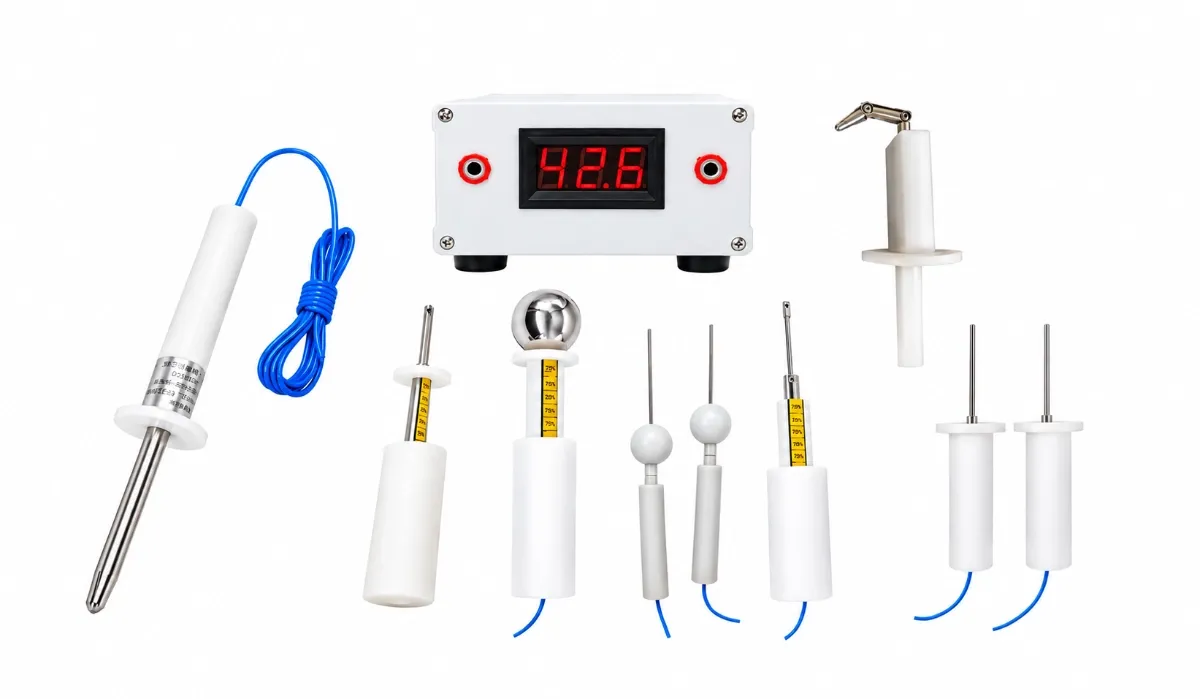
Both simulate a human finger, but IEC 61032 Probe B (jointed, 10 N) and Probe 11 (rigid, thrust-applied) test different things. Compare design, force and applications.
Both simulate a human finger, but IEC 61032 Probe B (jointed, 10 N) and Probe 11 (rigid, thrust-applied) test different things. Compare design, force and applications.

CTI measures how well insulating plastics resist electrical tracking under wet contamination. How the IEC 60112 test works — electrodes, electrolyte drops, voltage steps, CTI vs PTI.

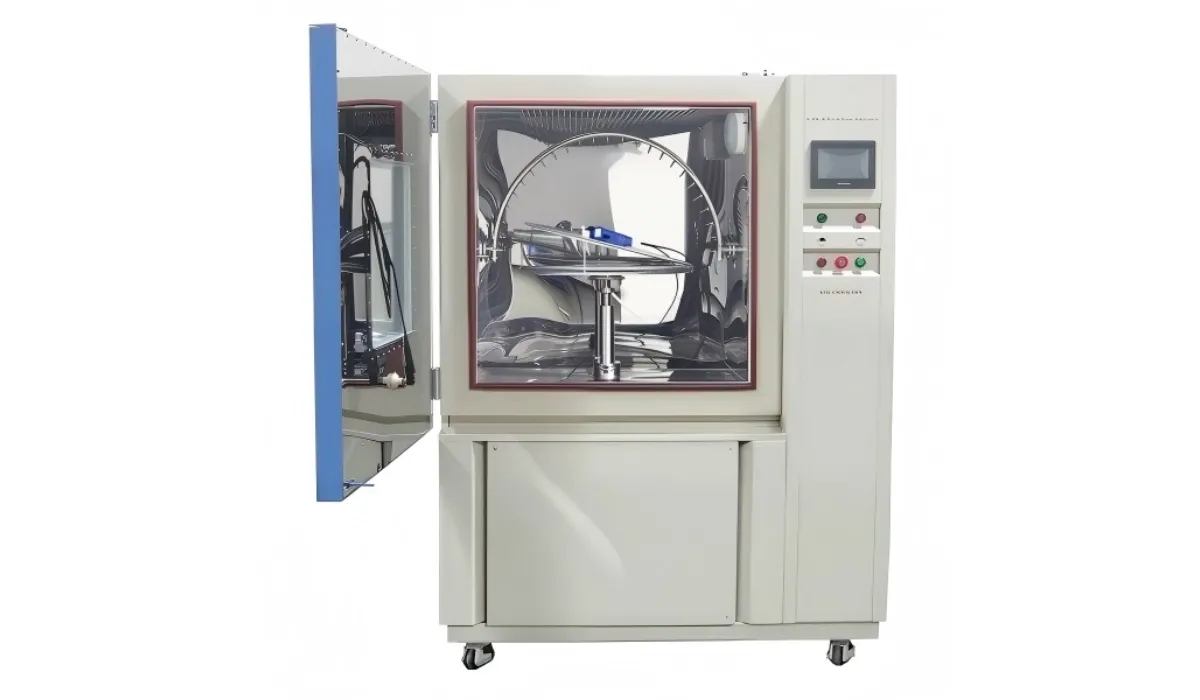
Learn the difference between IPX1, IPX2, IPX3, and IPX4 waterproof ratings. Discover IPX1 IPX2 Water Drip Test Chamber, IPX3 IPX4 waterproof rain spray test nozzle, and IPX34 waterproof test chamber.

Compare IPX5, IPX6, IPX7 and IPX8 – jet testing vs immersion testing, test conditions, equipment differences and how to choose the right waterproof test chamber.

Thermal shock and rapid temperature change both sit in IEC 60068-2-14 but stress products differently — sudden transfer shocks joints, controlled ramps screen thermal fatigue. Compare and choose.

Two-zone basket-transfer and three-zone damper-switching thermal shock chambers both meet IEC 60068-2-14 — compare transition speed, vibration, live testing and cost to pick the right one.

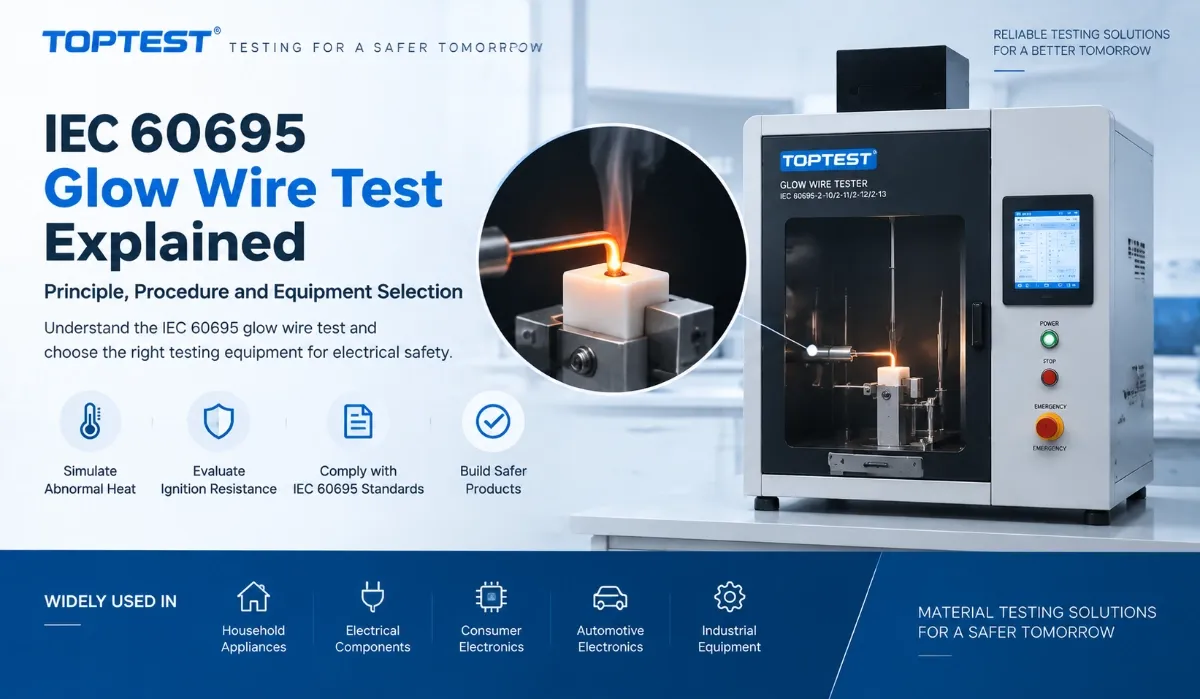
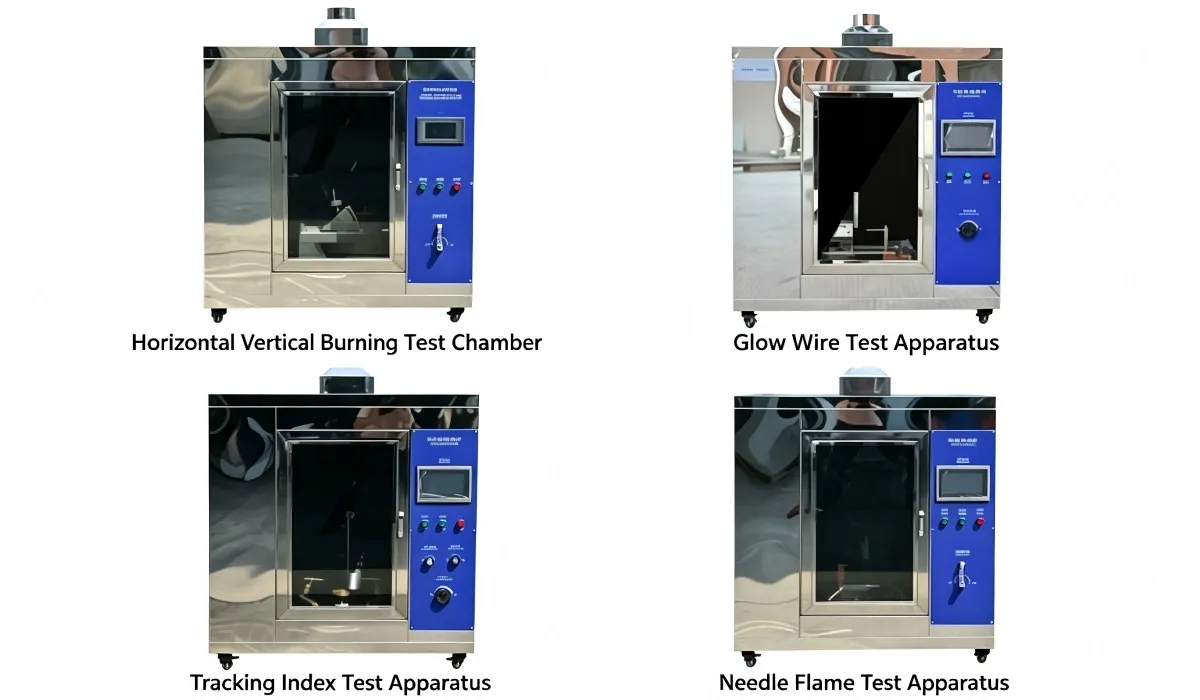
IEC 60695 glow wire tester is intended to simulate the effects of thermal stresses produced by an electrically heated source to represent a fire hazard.

Learn the differences between UL94 V-0, V-1, and V-2 flame ratings, testing methods, and applications. Choose the right UL94 Flame Tester for your laboratory.