
Sep 15, 2026News & Insights
ASTM B117 Salt Spray Test Guide: Requirements, Procedure & Chamber Selection
Discover how ASTM B117 salt spray testing works, key requirements, applications and factors to consider when choosing a reliable salt spray chamber manufacturer.
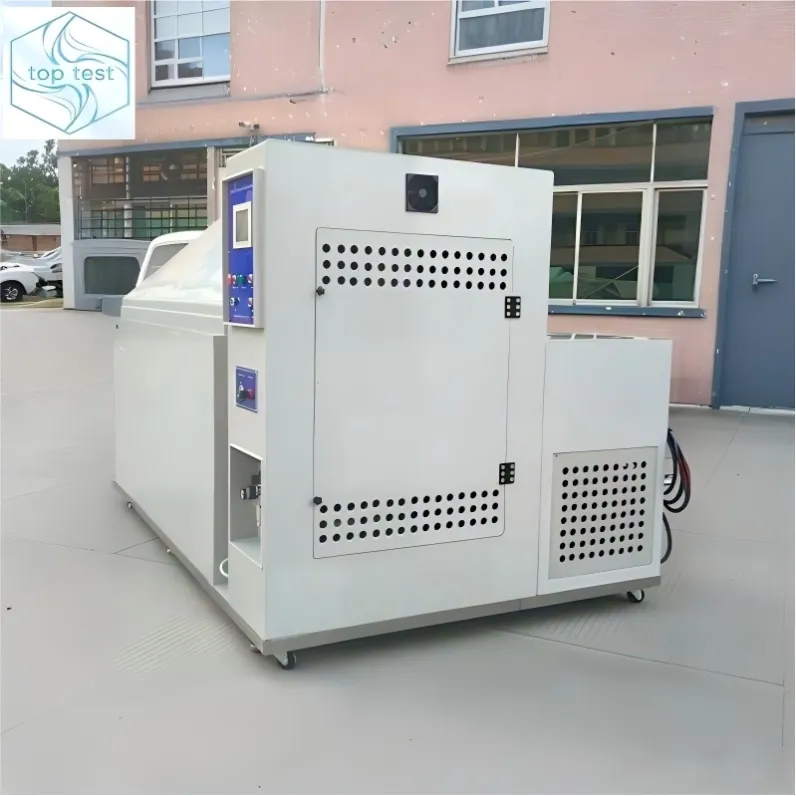
ASTM B117 Salt Spray Test: A Practical Guide for Corrosion Testing and Equipment Selection
For manufacturers of automotive parts, metal components, electronic products, and surface-treated materials, corrosion resistance is a key factor affecting product reliability and service life. Before products are released to the market, companies need reliable testing methods to evaluate how materials and coatings perform in corrosive environments.
The ASTM B117 salt spray test is one of the most commonly referenced corrosion testing methods worldwide. It provides a standardized way to expose test samples to a controlled salt fog environment and evaluate their corrosion resistance.
However, choosing the right testing method and equipment is not always simple. Different industries may have different requirements, and the performance of a salt spray chamber can directly affect test accuracy and repeatability.
This guide explains the ASTM B117 salt spray test procedure, requirements, applications, common testing issues, and how to select a suitable ASTM B117 salt spray chamber for your laboratory or production facility.
What Is ASTM B117 Salt Spray Test?
ASTM B117 is a standard practice published by ASTM International for operating salt spray (fog) testing equipment. It defines the conditions required to create a controlled corrosive environment for testing metallic materials and protective coatings.
The test uses a salt solution that is atomized into a fine mist inside a corrosion test chamber. The continuous exposure accelerates the corrosion process, allowing manufacturers to compare the durability of different materials, coatings, and surface treatments.
It is important to understand that ASTM B117 does not specify how long a product should last in real-world conditions. Instead, it provides a repeatable laboratory method for comparing corrosion resistance performance.
Common evaluations during ASTM B117 testing include:
- Rust formation
- Coating breakdown
- Surface corrosion
- Protective layer performance
- Material durability
Why Do Manufacturers Use ASTM B117 Testing?
Corrosion can significantly affect product performance, appearance, and safety. For many industries, corrosion testing is an essential part of quality control and product development.
Manufacturers use ASTM B117 salt spray testing to:
Evaluate Material and Coating Performance
Different materials and protective coatings may perform differently under corrosive conditions. Salt spray testing helps engineers compare options before mass production.
For example, manufacturers can evaluate:
- Zinc coatings
- Paint finishes
- Electroplated surfaces
- Stainless steel components
- Metal assemblies
Improve Product Reliability
Products used in outdoor or harsh environments are often exposed to moisture, salt, and chemicals.
Industries such as automotive, marine, construction, and electronics rely on corrosion testing equipment to identify potential weaknesses before products reach customers.
Meet Customer and Industry Requirements
Many international customers require corrosion test reports based on recognized standards such as:
- ASTM B117
- ISO 9227
- JIS Z 2371
Using standardized testing methods helps manufacturers demonstrate product quality and consistency.
How Does ASTM B117 Salt Spray Testing Work?
An ASTM B117 salt spray test is performed inside a dedicated salt spray chamber. The chamber creates a controlled environment where samples are exposed to salt fog for a specified period.
The typical testing process includes the following steps:
1. Sample Preparation
Before testing, samples are prepared according to product requirements.
Preparation may include:
- Cleaning the surface
- Removing contaminants
- Recording sample conditions
- Marking test areas
Proper preparation is important because surface contamination can influence corrosion results.
2. Salt Solution Preparation
The test solution usually consists of sodium chloride dissolved in distilled or deionized water.
The commonly used solution is:
- 5% sodium chloride solution
The solution quality, concentration, and pH value must be controlled to maintain consistent test conditions.
3. Salt Fog Exposure
During testing, compressed air passes through the salt solution and creates a fine mist inside the chamber.
The ASTM B117 salt spray chamber must maintain stable conditions, including:
- Chamber temperature
- Salt spray concentration
- Spray distribution
- Collection rate
A well-designed spray system ensures that all samples receive a consistent exposure environment.
4. Result Evaluation
After the test period, samples are removed and inspected.
Evaluation may include:
- Appearance changes
- Rust area measurement
- Coating damage
- Corrosion depth
- Adhesion performance
The evaluation method depends on the product specification or customer requirements.
ASTM B117 Test Conditions and Requirements
A reliable salt spray chamber should provide stable and repeatable testing conditions.
Key factors include:
Temperature Control
The chamber temperature must remain within the required range to ensure consistent corrosion conditions.
Unstable temperature control may lead to differences between test results.
Uniform Salt Fog Distribution
The spray system is one of the most important parts of the equipment.
A quality ASTM B117 salt spray chamber should provide:
- Even fog distribution
- Stable spray pressure
- Reliable collection rate
- Continuous operation
Corrosion-Resistant Chamber Materials
Because the internal environment contains salt fog, the chamber structure must resist corrosion.
Common materials include:
- PVC
- PP plastic
- Other corrosion-resistant materials
Poor material selection may shorten equipment service life.
Automatic Control System
Modern salt spray testing equipment usually includes digital control functions for:
- Temperature monitoring
- Test duration setting
- Alarm functions
- Automatic operation
These features help operators maintain consistent testing conditions.
ASTM B117 vs ISO 9227 Salt Spray Test
ASTM B117 and ISO 9227 are two widely recognized salt spray testing standards. Both are used for evaluating corrosion resistance, but they are issued by different organizations.
Standard | Organization | Main Application |
|---|---|---|
ASTM B117 | ASTM International | General salt spray corrosion testing |
ISO 9227 | International Organization for Standardization | Corrosion testing of metals and coatings |
JIS Z 2371 | Japanese Industrial Standard | Salt spray testing in Japan-related industries |
The choice between ASTM B117 and ISO 9227 usually depends on:
- Customer requirements
- Export market
- Industry regulations
- Product specifications
Many manufacturers choose salt spray testing equipment that can support multiple standards to improve testing flexibility.
How Long Does ASTM B117 Salt Spray Testing Take?
The duration of an ASTM B117 salt spray test depends on the material, coating type, and customer requirements.
Typical testing periods may include:
- Several dozen hours for basic screening
- Hundreds of hours for coating evaluation
- Thousands of hours for long-term durability studies
There is no universal testing time that applies to all products.
For example:
- A new coating development project may require extended testing.
- A routine quality control check may use a shorter exposure period.
The testing duration should always follow the relevant product standard or customer specification.
Common Mistakes in Salt Spray Testing
In practice, inconsistent test results are often caused not by the ASTM B117 standard itself, but by improper testing conditions or equipment operation.
Common issues include:
Incorrect Salt Solution Preparation
Incorrect salt concentration or contaminated water can affect corrosion results.
Poor Sample Placement
Sample angle and positioning can influence salt fog exposure.
Proper placement helps ensure accurate comparison between samples.
Unstable Chamber Conditions
Temperature fluctuations, uneven spray distribution, or poor chamber sealing may affect test repeatability.
Lack of Equipment Maintenance
Regular maintenance is necessary to keep the spray system, nozzles, and control components working correctly.
How to Choose an ASTM B117 Salt Spray Chamber?
Selecting the right salt spray chamber is important for laboratories and manufacturers that require reliable corrosion testing results.
Consider the following factors before purchasing:
1. Testing Standards
Confirm that the equipment meets your required standards, such as:
- ASTM B117
- ISO 9227
- Customer-specific requirements
2. Chamber Size
The chamber size should match your sample dimensions and testing volume.
A small laboratory chamber may be suitable for research and quality control, while larger chambers are better for industrial production testing.
3. Equipment Construction
Choose equipment made from durable corrosion-resistant materials to ensure long-term operation.
4. Control Accuracy
Important features include:
- Accurate temperature control
- Stable spray generation
- Programmable operation
- Easy monitoring
5. Supplier Experience
A reliable salt spray chamber manufacturer should provide:
- Technical guidance
- Equipment customization
- Operation support
- Spare parts availability
Choosing an experienced supplier can reduce future maintenance problems and improve testing reliability.
Factors Affecting Salt Spray Chamber Price
The price of salt spray testing equipment depends on several factors.
Main factors include:
Chamber Size
Larger chambers require more materials and stronger control systems.
Testing Functions
Additional functions, automation levels, and customized configurations may affect the cost.
Material Quality
High-quality corrosion-resistant materials generally provide better durability.
Standards and Custom Requirements
Equipment designed for specific international standards or special applications may require additional configurations.
Instead of choosing equipment only based on price, manufacturers should consider long-term reliability, testing accuracy, and technical support.
Applications of ASTM B117 Salt Spray Testing
ASTM B117 testing is widely used across many industries.
Automotive Industry
Used for testing:
- Vehicle components
- Fasteners
- Coatings
- Metal parts
Automotive manufacturers use corrosion testing to evaluate durability in harsh environments.
Electronics Industry
Used for:
- Connectors
- Terminals
- Metal housings
- Electronic components
Salt spray testing helps evaluate corrosion risks that may affect product reliability.
Metal Surface Treatment Industry
Used to evaluate:
- Painting processes
- Electroplating
- Protective coatings
- Surface treatments
Hardware and Industrial Products
Manufacturers of screws, bolts, tools, and mechanical components often use ASTM B117 testing for quality verification.
Frequently Asked Questions About ASTM B117 Salt Spray Test
What is ASTM B117 used for?
ASTM B117 is used to evaluate the corrosion resistance of metals, coatings, and surface treatments under controlled salt fog conditions.
Is ASTM B117 the same as ISO 9227?
No. Both standards describe salt spray corrosion testing, but they are developed by different organizations and may have different requirements.
Can ASTM B117 predict real outdoor corrosion performance?
ASTM B117 provides comparative laboratory results. It does not exactly reproduce all outdoor corrosion conditions but is useful for evaluating relative corrosion resistance.
What equipment is needed for ASTM B117 testing?
A dedicated ASTM B117 salt spray chamber, salt solution system, spray generation system, and temperature control system are required.
How do I choose a salt spray chamber manufacturer?
Consider the supplier’s experience, compliance with international standards, equipment quality, customization capability, and after-sales support.
Conclusion
The ASTM B117 salt spray test remains an important method for evaluating corrosion resistance in many industries. By using reliable salt spray testing equipment, manufacturers can compare materials, improve product quality, and meet customer requirements.
When selecting an ASTM B117 salt spray chamber, companies should focus on testing accuracy, equipment durability, standard compliance, and supplier support rather than price alone.
TopTest provides corrosion testing equipment designed for manufacturers, laboratories, and quality control departments that require reliable solutions for ASTM B117 and related corrosion testing applications.
Contact TopTest to discuss your corrosion testing requirements and find a suitable salt spray chamber solution.