
IEC Test Finger Probe
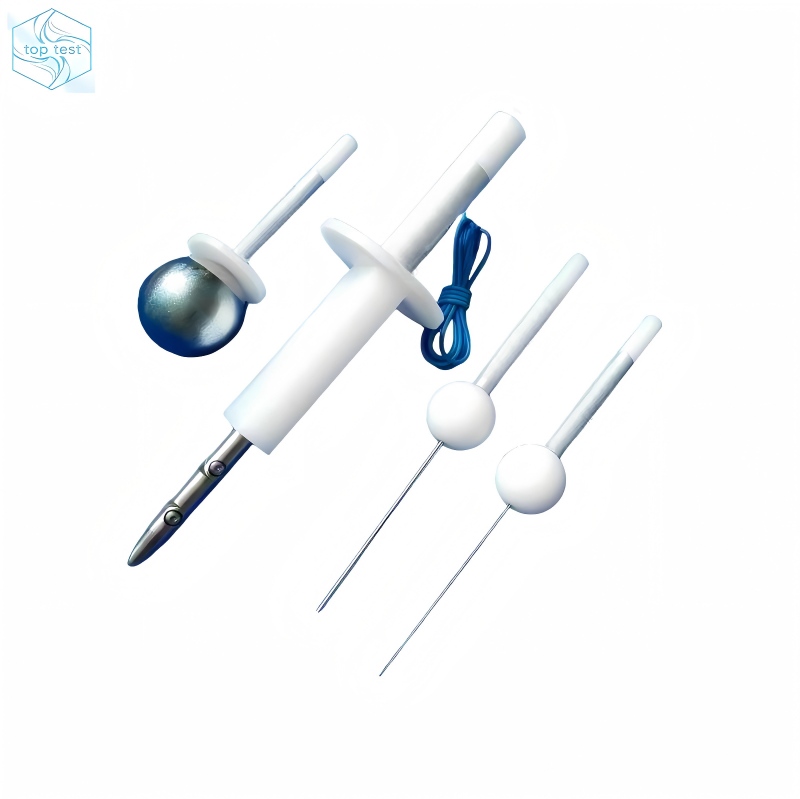
IEC 60529 Test Finger Probe Kit IP1X IP2X IP3X IP4X IEC 60529
A collection of instruments known as the IP Test Probe Kit is used to assess how well a product enclosure protects against solid foreign objects and hazardous items.
IEC 60335 IP1X IP2X IP3X IP4X Test Probe ABCD
Product Description
IP1X–IP4X Test Probes are designed and manufactured in strict accordance with IEC 60529, IEC 61032, and GB/T 4208. They are essential testing tools for verifying the IP Code (Ingress Protection) against solid foreign objects (First Characteristic Numeral). These probes simulate the access of hands, fingers, tools, and wires to evaluate the enclosure's ability to prevent accidental contact with hazardous parts and the ingress of solid objects.
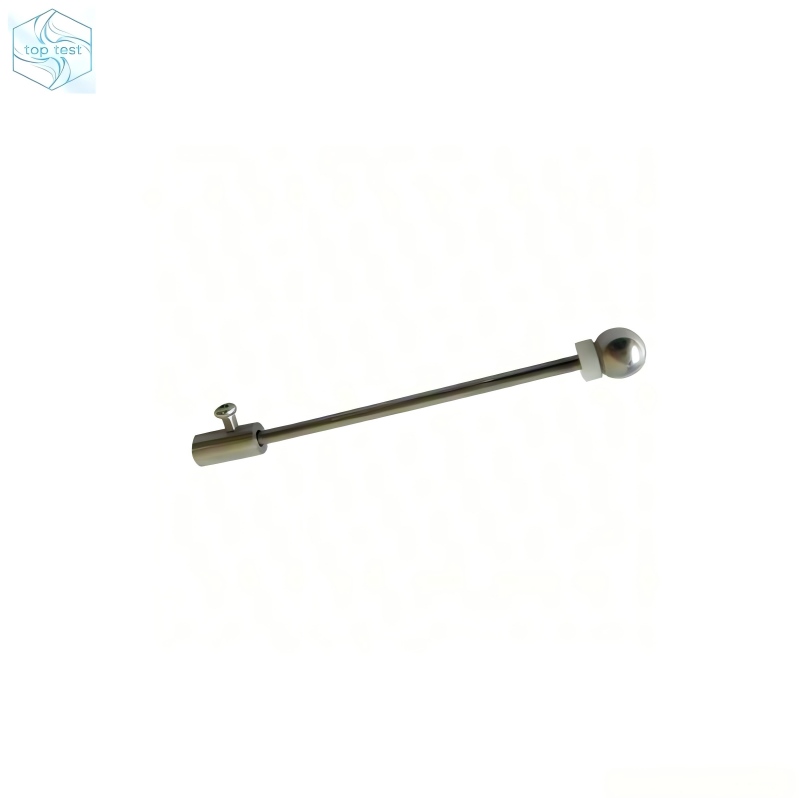
IP1X Test Probe A
Used to verify the enclosure's protection against solid foreign objects with a diameter of 50 mm or larger, while preventing accidental contact with hazardous parts by the back of the hand.
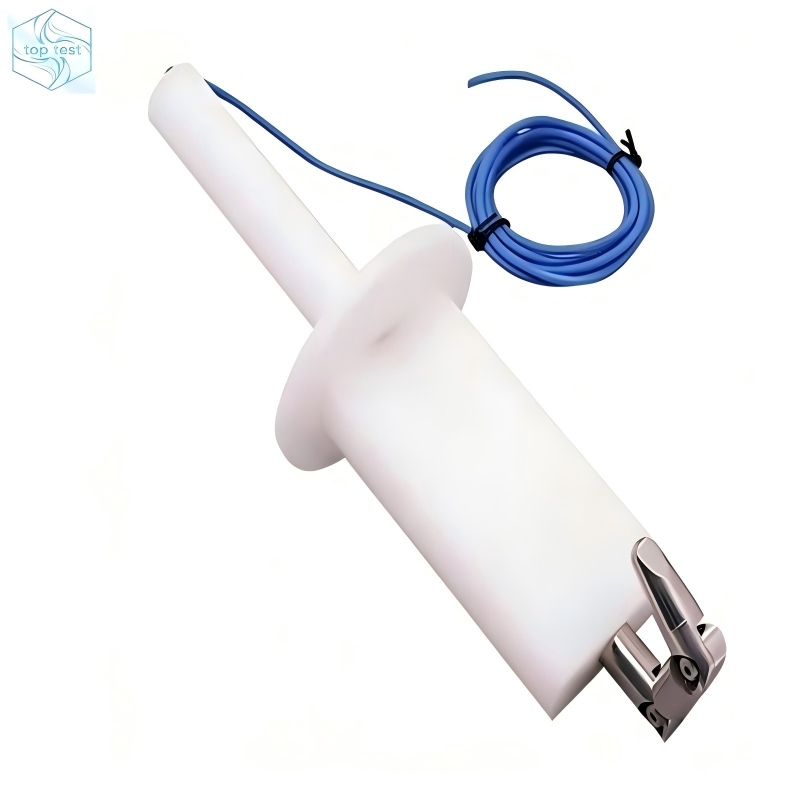
IP2X Test Finger B
Used to verify the enclosure's protection against solid foreign objects with a diameter of 12.5 mm or larger, while preventing finger access to hazardous parts.
IP3X Test Probe C
Used to verify the enclosure's protection against solid foreign objects with a diameter of 2.5 mm or larger, while preventing hazardous parts from being contacted by tools.
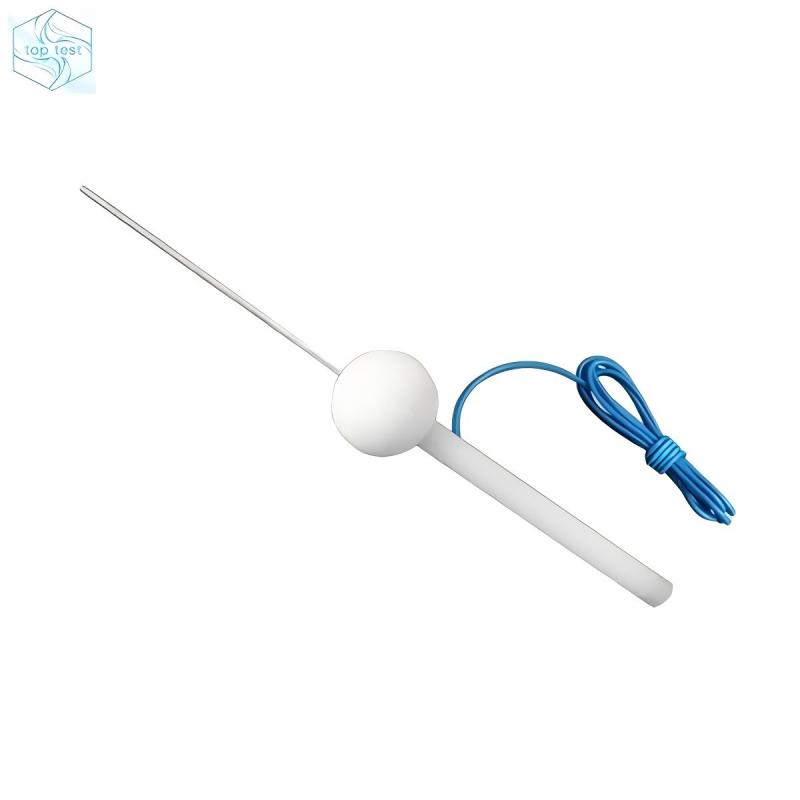
IP4X Test Probe D
Used to verify the enclosure's protection against solid foreign objects with a diameter of 1.0 mm or larger, while preventing hazardous parts from being contacted by thin wires.
Q:What's The Difference Between IP1X IP2X IP3X IP4X IP Code Test Equipment?
A:Key Differences Between IP1X, IP2X, IP3X, and IP4X Tests
The core differences between IP1X IP2X IP3X and IP4X lie in test probe dimensions, applied force, protected particle size, and application scenarios, with each level progressively improving isolation against small solids and internal hazardous components.
Quick Reference Table
IP Rating | Protection Against | Test Probe | Applied Force (N) | Pass Criterion | Typical Applications |
|---|---|---|---|---|---|
IP1X | Solid objects ≥50 mm (Back of hand / Large objects) | Ø50 mm Steel Ball | Approx. 50 | Probe shall not fully enter the enclosure. | Electrical cabinets, switchgear, and large industrial equipment |
IP2X | Solid objects ≥12.5 mm (Finger protection) | Ø12.5 mm Jointed Test Finger | Approx. 10 | Probe shall not enter the enclosure or access hazardous parts. | Household appliances, desktop equipment, and consumer electronics |
IP3X | Solid objects ≥2.5 mm (Tools and thick wires) | Ø2.5 mm Test Rod | Approx. 3 | Probe shall not contact hazardous live or moving parts. | Outdoor electrical equipment, control panels, and security devices |
IP4X | Solid objects ≥1.0 mm (Thin wires and small objects) | Ø1.0 mm Test Wire | Approx. 1 | Probe shall not contact hazardous live or moving parts. | Power tools, electrical enclosures, and outdoor equipment |
Detailed Key Differences
1. IP1X
-Test: A 50mm IP1X test steel ball probe is pressed into enclosure openings with a force of approximately 50N.
-Purpose: Prevents the back of a hand or large tools from touching hazardous internal components and blocks large foreign objects from entering.
2. IP2X
-Test: The IP2X 12.5mm spherical finger probe is applied to all openings with a force of approximately 10–30N.
-Purpose: Prevents fingers from touching hazardous components; a common basic protection for household appliances.
3. IP3X
-Test: The ip3x 2.5mm diameter IP test rod is inserted with a force of approximately 3N; it must not contact hazardous internal components.
-Purpose: Prevents medium-sized foreign objects like screwdrivers or wires from touching hazardous components, enhancing protection for industrial scenarios.
4.IP4X
-Test: A 1mm diameter IP test finger probe is inserted with a force of approximately 1N; it must not contact hazardous internal components.
-Purpose: Prevents tiny foreign objects like thin wires or dust from touching hazardous components; a common protection for outdoor equipment.
Additional Notes
Suffix Letters: Standard suffixes (A/B/C/D) further define test probes (e.g., B for fingers, C for tools, D for cables), directly corresponding to the levels above.
Relationship to Dust Protection: IP1X–IP4X focus on preventing solid foreign objects from touching/entering equipment, while IP5X/IP6X are dedicated dust protection levels—these are distinct and should not be confused.