
IEC Test Finger Probe
IP1X Test Finger Probe
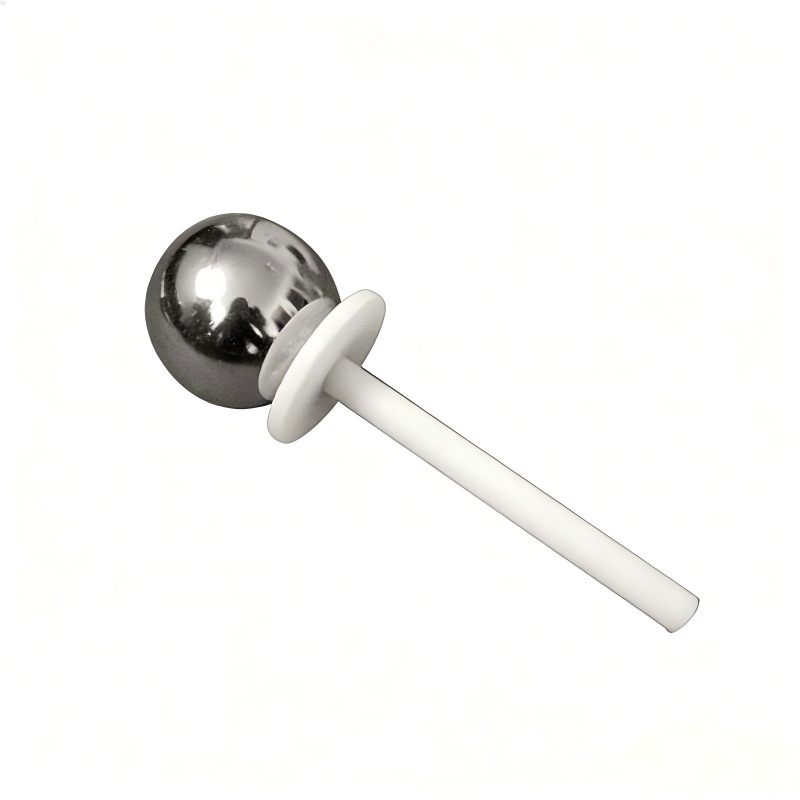
IP1X test probe (per IEC 60529 / GB/T 4208) is a solid foreign object protection test tool for verifying IP1X dust/ingress protection grade.
50mm Sphere IP1X Test Probe A with Baffle and Handle IEC 61032
Brief introduction:
A variety of electrical devices can be tested for protection using the IEC61032 IP1X Test Probe A. In order to determine whether the equipment casing can successfully keep outside objects or a person's hand from coming into contact with the live parts inside the equipment, thereby guaranteeing safe use, test probe A is used to simulate the back of the hand contact, particularly when assessing the protection level of the equipment casing.
Standard:
IEC61032 , IEC60529 and IEC 60335,IEC61029,IEC60745,IEC60065,IEC609502
Specification:
IP1X Probe A /Test Probe A 1, According to: IEC 61032:1997 / IEC 60529:2001. 2, Test Probe A is necessary appliance for household and similar electrical appliance of against electric shock protection test.
Technical Parameters:
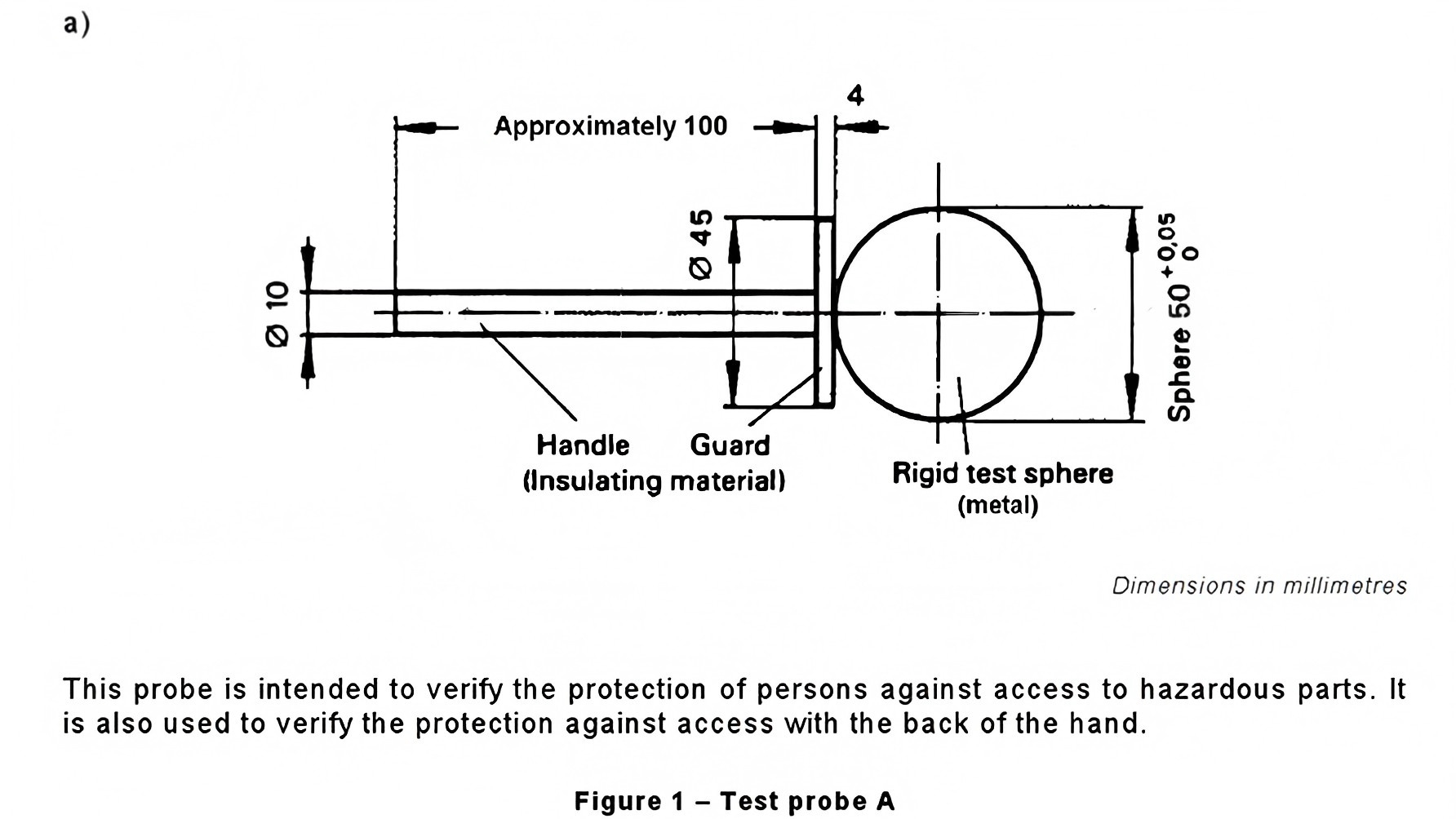
1. Ball Diameter:50 mm
2. Baffle Plate Diameter:45 mm
3. Baffle Plate Thickness: 4 mm
4. Handle Diameter:10 mm
5. Handle Length: 100 mm
6. According to IEC 61032 figure 1 (the Test probe A), table 6 IEC 60529 the first characteristics (1)
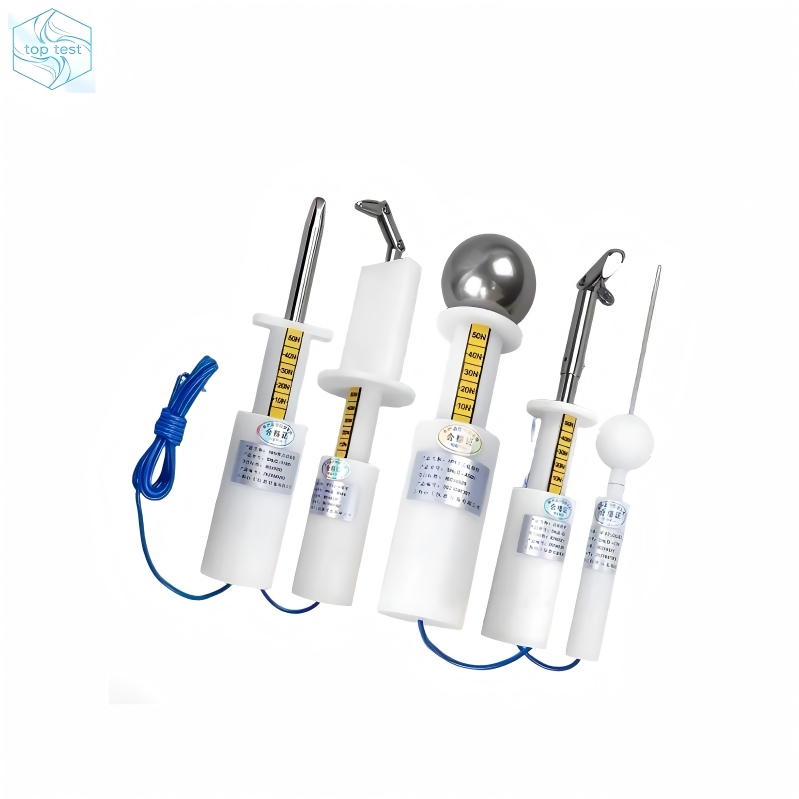
What is the difference between IP1X IP2X IP3X IP4X test finger probe?
Detailed Key Differences
- IP1X test rod probe A
- Test: The ip1x 50mm test steel ball probe is pressed into enclosure openings with a force of approximately 50N.
- Purpose: Prevents the back of a hand or large tools from touching hazardous internal components and blocks large foreign objects from entering.
- IP2X test probe B
- Test: A 12.5mm ip2x spherical probe /finger-shaped probe is applied to all openings with a force of approximately 10–30N.
- Purpose: Prevents fingers from touching hazardous components; a common basic protection for household appliances.
- IP3X test finger probe C
- Test: A 2.5mm diameter test probe is inserted with a force of approximately 3N; it must not contact hazardous internal components.
- Purpose: Prevents medium-sized foreign objects like screwdrivers or wires from touching hazardous components, enhancing protection for industrial scenarios.
- IP4X test finger probe B
- Test: A 1mm diameter test probe is inserted with a force of approximately 1N; it must not contact hazardous internal components.
- Purpose: Prevents tiny foreign objects like thin wires or dust from touching hazardous components; a common protection for outdoor equipment.